

Dincharya
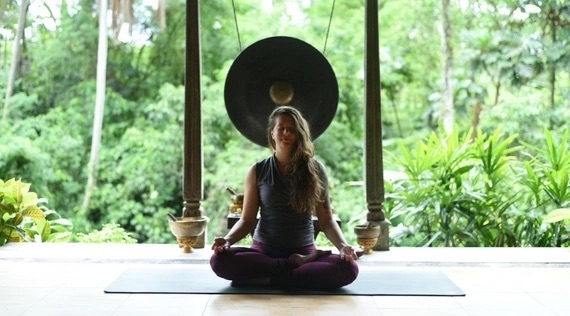
Dinacharya is a key Ayurvedic concept that promotes health and well-being by aligning your daily routines with the rhythms of nature. By following a structured regimen of self-care and cleansing practices, Dinacharya aims to balance your doshas (the three mind-body energies: Vata, Pitta, and Kapha), eliminate toxins (ama), and improve overall physical and mental health.
The specific practices in Dinacharya are often customized based on an individual’s unique constitution (prakriti), but a core set of rituals form the basis of the routine.
Morning routine (Brahma Muhurta)
Ayurveda emphasizes the importance of waking up during the Brahma Muhurta—1.5 hours before sunrise—to align with the natural Vata cycle, which is best for elimination and mental clarity.
- Drink warm water: Starting the day with a glass of warm water helps to flush the kidneys and stimulates the bowels.
- Evacuate bowels: It is important to eliminate bodily waste upon waking.
- Scrape your tongue: Use a tongue scraper to remove the overnight buildup of toxins and bacteria (ama). This promotes fresh breath and better taste perception.
- Brush your teeth: Cleanse your mouth with a natural herbal toothpaste.
- Oil pulling (Gandusha): Swish sesame or coconut oil in your mouth for 10–20 minutes. This practice helps remove toxins, strengthen gums, and improve oral hygiene.
- Nasal cleansing (Nasya): Apply a few drops of warm sesame oil or medicated oil to each nostril. Nasya helps lubricate the nasal passages, improves breathing, and can relieve sinus congestion.
- Eye care (Anjana): Applying medicated collyrium to the inner eyelids is an optional practice for eye health.
- Self-massage (Abhyanga): Massaging warm, dosha-specific oil into your body before bathing stimulates circulation, relaxes the nervous system, and nourishes the skin.
- Exercise (Vyayama): Engaging in gentle exercise like yoga or a brisk walk in the fresh air improves circulation and digestion.
- Bath (Snana): Take a warm bath or shower to wash away the oil and sweat, leaving you feeling fresh and energized.
- Meditation and breathwork (Pranayama): Practice meditation and breathing exercises to quiet the mind and set a positive intention for the day.
Midday and evening routines
Dinacharya includes routines for the rest of the day to maintain balance.
- Eat the largest meal at midday: This is when the digestive fire (Agni) is strongest. Your lunch should be the most substantial meal of the day to aid digestion.
- Avoid distractions while eating: Focus on your food and chew it thoroughly in a calm environment.
- Eat a light dinner: Finish your last meal of the day by or before sunset to allow for proper digestion before sleep.
- Relaxation: In the evening, unwind with calming activities like reading or gentle stretching. Avoid screens and strenuous activity.
- Sleep schedule: Aim to go to bed by 10 p.m. to ensure proper rest and detoxification during the body’s nighttime cycles.
Benefits of Dinacharya
By regularly practicing Dinacharya, you may experience many health benefits:
- Improved digestion: A regulated routine and eating schedule strengthen the digestive fire.
- Enhanced energy and vitality: Aligning with natural cycles can boost energy and reduce fatigue.
- Reduced stress and improved mental clarity: Regular meditation and cleansing practices calm the mind and reduce anxiety.
- Better sleep quality: A consistent sleep schedule helps regulate your body clock.
- Strengthened immunity: Regular detoxification and self-care build the body’s natural defenses.
